tracking pixel
Blog

Fayetteville and Laurinburg can see the New RAV4 for sale here!

The verdict is in: the all-new 2019 RAV4 for sale at Peterson Toyota in Lumberton is a beast of a vehicle. It has comfortable seating for five people and a refined interior. Touch screens, rear-view mirror backup camera display, and Eco or Sport modes are all at your fingertips in the modern, fully equipped RAV4. Inside and out, it has a range of features that are in place to make your life more comfortable, safe, and fun. Take for example the 8 speaker JBL audio system. This available feature delivers 800 watts of pristine power to your ears, plenty enough sound to satisfy any type of musical taste. It also offers convenient push-button start and keyless entry, so when your hands are full you can get in and out with ease. The modern features on this vehicle aren’t the only touches that make it a superior vehicle of it’s class, as it’s built to tow as well! This compact sport utility vehicle also has a towing capacity of up to 3,500 pounds, plenty enough to haul whatever toys the weekend requires. It is a versatile vehicle, as it can be used for comfortably running errands around town or even hauling boats and trailers. Whether your travels take you to Laurinburg, Fayetteville, or beyond, the 2019 RAV4 is the right vehicle to be in. Come check it out today at Peterson Toyota in Lumberton and let our professional team get you in this great vehicle for a great price!

Recommended Posts

2026toyotarav4-exterior-02

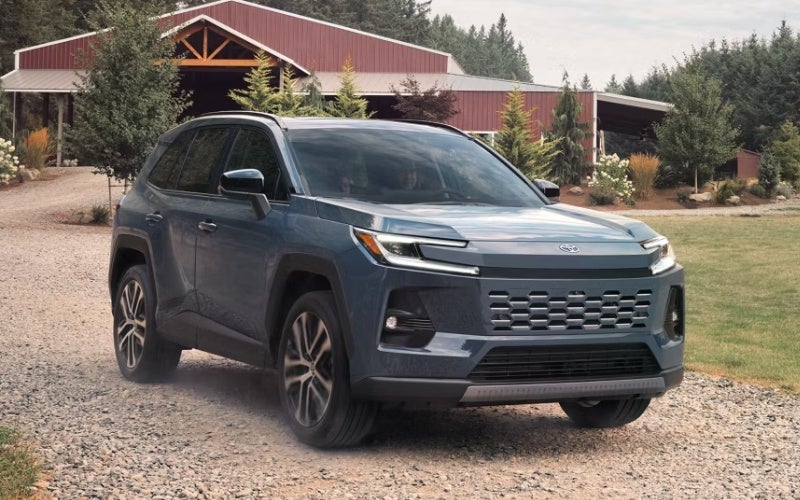
Does the 2026 Toyota RAV4 Hybrid Need to Be Plugged In Around Maxton, NC?

Peterson Toyota - Does the 2026 Toyota RAV4 Hybrid Need to Be Plugged In Around Maxton, NC? The 2026 Toyota RAV4 Hybrid is designed for drivers who want the benefits of electrified performance without needing to add charging stops to daily life. For many shoppers around Maxton, NC, that distinction matters. A hybrid SUV can support better efficiency and smooth response while still using a gas engine, so the vehicle manages battery charging as you drive. That makes the RAV4 Hybrid a practical choice for commuting toward Lumberton, running errands along local routes, visiting family across Robeson County, or making longer drives throughout southeastern North Carolina. Toyota also offers an available PHEV Powertrain in the 2026 RAV4 lineup, and that is where some confusion can begin. The standard Hybrid EV setup and the available Plug-in Hybrid Electric Vehicle setup are both electrified, but the ownership experience is different. A Hybrid Electric Vehicle uses a combination of a gas engine and electric motor or motors to maximize power and efficiency. A Plug-in Hybrid Electric Vehicle combines a gas engine with a larger battery powered by an external charge to maximize efficiency and driving range. In simple terms, the RAV4 Hybrid does not need to be plugged in, while the RAV4 Plug-in Hybrid Electric Vehicle is designed to take advantage of charging. How the 2026 Toyota RAV4 Hybrid Works The 2026 RAV4 Hybrid is engineered to manage the relationship between the gas engine and electric motor or motors automatically. You do not need to decide when to use electric assist, and you do not need to plug the vehicle into a charger after a drive. The hybrid system works in the background to support efficient operation, responsive acceleration, and a confident driving feel. That is especially useful for shoppers who want an SUV that feels familiar but more advanced than a traditional gas-only vehicle. This setup fits many Maxton-area routines because the vehicle does not require a home charging station or a change in parking habits. If your driveway, apartment community, or workplace does not offer charging, the RAV4 Hybrid still makes sense. You fuel it like a conventional vehicle, drive it like a conventional vehicle, and let Toyota’s hybrid engineering handle the rest. The result is an SUV that can feel easy to own from the first week. Hybrid EV vs. Plug-in Hybrid Electric Vehicle Understanding the difference between Hybrid EV and Plug-in Hybrid Electric Vehicle options can help shoppers choose the right 2026 RAV4. Toyota’s Hybrid EV technology is ideal for drivers who want electrified efficiency without plugging in. The available PHEV Powertrain is attractive for drivers who have convenient access to charging and want to maximize electric driving opportunities. Neither option is “better” for everyone. The best choice depends on your parking setup, daily mileage, charging access, and personal driving preferences. Hybrid EV: Does not need to be plugged in and automatically uses the gas engine and electric motor or motors to support power and efficiency. Plug-in Hybrid Electric Vehicle: Uses a larger battery that can be charged externally, giving drivers more opportunity to use electric driving capability. Best daily fit: Hybrid EV works well for drivers without regular charging access, while a Plug-in Hybrid Electric Vehicle can be appealing for shoppers with home or workplace charging. Driving experience: Both powertrain types are designed to deliver the versatility, confidence, and everyday usability expected from a RAV4. For shoppers comparing these options, the most important question is not just whether charging is available. It is whether charging fits naturally into your life. If plugging in would feel like an extra task or if convenient charging is limited, the RAV4 Hybrid keeps things simple. If charging is easy and you want to take fuller advantage of the available PHEV Powertrain, the plug-in option may be worth exploring. Why This Matters for Maxton, NC Driving Drivers around Maxton often cover a mix of road types, from local streets and rural routes to highway travel toward nearby communities. That mix is exactly where a versatile hybrid SUV can feel useful. The 2026 RAV4 Hybrid offers the maneuverability of a compact SUV, the elevated driving position many shoppers prefer, and the practicality needed for daily errands, school schedules, work commutes, and weekend travel. Because it does not require external charging, it can fit easily into routines that involve multiple stops or shared family use. The RAV4 lineup also offers practical specs and design details that matter beyond the powertrain. Toyota lists up to 37.8 cu. ft. of cargo capacity, giving drivers useful space for groceries, luggage, gear, and everyday supplies. Available AWD supports added confidence when road conditions vary, while FWD is available for efficiency-focused drivers. Toyota also highlights towing capability of up to 3500 lbs. depending on configuration, which adds another layer of utility for shoppers who want a compact SUV that can do more than commute. Technology and Safety Support in the 2026 RAV4 The hybrid powertrain may be a key reason shoppers consider the 2026 RAV4, but the technology inside the SUV is equally important. Every 2026 RAV4 includes a standard customizable 12.3-in. digital gauge cluster that keeps important information directly in view. This display is designed to feel like a natural extension of the multimedia experience, which helps the cabin feel modern and easy to use. The available 12.9-in. Toyota Audio Multimedia touchscreen adds another level of convenience, placing entertainment, directions, and controls front and center with crisp visuals and seamless voice commands. Available wireless Apple CarPlay® and Android Auto™ compatibility help keep familiar smartphone features accessible, while available features such as Advanced Park and Traffic Jam Assist bring additional convenience on properly equipped models. Toyota Safety Sense™ 4.0 (TSS 4.0) also plays a major role by supporting driver awareness and confidence with Toyota’s most advanced safety suite yet. Who Should Choose the RAV4 Hybrid? The RAV4 Hybrid is a strong fit for shoppers who want efficiency, flexibility, and low-drama ownership. If you do not want to install charging equipment, search for public chargers, or remember to plug in after a long day, the Hybrid EV setup is likely the more natural choice. It gives you electrified benefits while preserving the familiar refueling routine drivers already know. Choose Hybrid EV if: You want electrified performance without plugging in or changing your daily routine. Choose Hybrid EV if: You park outside, rent your home, or do not have reliable access to a charger. Consider the PHEV Powertrain if: You have convenient charging and want to maximize electric driving opportunities. Compare both if: You are unsure how your commute, charging access, and driving habits line up with each option. For many shoppers, the RAV4 Hybrid strikes the most convenient balance. It delivers a modern electrified driving experience while keeping ownership straightforward. It is also part of Toyota’s broader Hybrid Family and supports Toyota’s Beyond Zero vision, which focuses on reducing carbon emissions through products, services, and operations while giving customers more powertrain choices. Frequently Asked Questions: Does the 2026 Toyota RAV4 Hybrid need a home charger? No. The 2026 Toyota RAV4 Hybrid does not need a home charger because its Hybrid EV system uses a gas engine and electric motor or motors and manages battery charging as you drive. A home charger is only relevant if you are considering the available Plug-in Hybrid Electric Vehicle version. Is the RAV4 Plug-in Hybrid Electric Vehicle different from the RAV4 Hybrid? Yes. The RAV4 Hybrid does not require plugging in, while the available Plug-in Hybrid Electric Vehicle uses a larger battery powered by an external charge. Both are electrified, but the plug-in version is designed for drivers who can regularly charge and want to maximize electric driving capability. Which 2026 RAV4 is easier to own around Maxton, NC? For many drivers, the RAV4 Hybrid is easier because it does not require charging access. It can be fueled like a conventional vehicle while still offering the benefits of Toyota hybrid engineering. Drivers with reliable charging at home or work may also want to compare the available PHEV Powertrain. Can the 2026 RAV4 Hybrid still offer strong SUV practicality? Yes. The 2026 RAV4 lineup offers practical cargo space, available AWD, modern technology, and useful capability. Toyota lists up to 37.8 cu. ft. of cargo capacity and towing capability of up to 3500 lbs. depending on configuration, making it a versatile choice for everyday life. If you are deciding between the 2026 Toyota RAV4 Hybrid and the available Plug-in Hybrid Electric Vehicle, start with your daily routine. If charging is not convenient or you prefer a simpler ownership experience, the RAV4 Hybrid is designed to fit naturally. If charging is easy and you want the added benefits of a larger externally charged battery, the plug-in option deserves a closer look. Either way, the 2026 RAV4 lineup gives Maxton-area shoppers a smart mix of efficiency, capability, technology, and Toyota reliability. Request more 2026 Toyota RAV4 information

2026toyotasienna-exterior-03

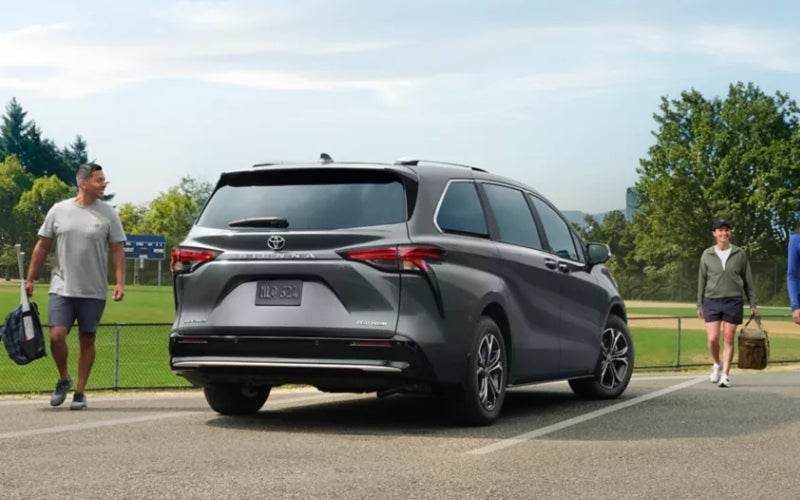
Does the 2026 Toyota Sienna have enough space for Hope Mills, NC family driving?

Peterson Toyota - Does the 2026 Toyota Sienna have enough space for Hope Mills, NC family driving? The 2026 Toyota Sienna gives Hope Mills, NC families a thoughtful mix of passenger room, cargo flexibility, hybrid efficiency, and everyday convenience, which makes it a compelling choice for drivers who need a vehicle that can keep up with busy routines. For many households around Hope Mills, a family vehicle has to handle more than a simple commute. It may need to support school drop-offs, grocery runs, youth sports, weekend drives toward Fayetteville, trips down I-95, and regular travel between nearby communities. That is where the Sienna’s minivan layout makes a noticeable difference. Instead of forcing passengers to climb into a tight third row or shuffle cargo around awkwardly, Sienna gives families wide door openings, flexible seating, and smart storage solutions that make everyday movement easier. Why Sienna space feels different from many SUVs Three-row SUVs are popular, but a minivan like the 2026 Toyota Sienna can be easier to live with when passengers and cargo change daily. Sliding side doors help in parking lots, especially when loading children, bags, or gear. The cabin is designed with real passenger movement in mind, so entering and exiting can feel less complicated. Toyota describes the Sienna as having a spacious, flexible design that makes room for whoever and whatever the day brings, and that idea shows up in the way the interior functions. The 60/40 One-Motion-Stow Split & Stow 3rd Row® Seats are especially useful. If your day calls for maximum seating, the third row is ready. If the schedule changes and more cargo room is needed, the third row can fold down quickly. Because the seat is split, one side can remain open for a passenger while the other side creates additional cargo space. That flexibility is valuable for families who may carry backpacks in the morning, sports equipment in the afternoon, and groceries or luggage later in the day. Passenger flexibility: The three-row cabin helps support larger households, carpooling, and visiting family. Cargo versatility: Split & Stow 3rd Row® Seats allow the rear area to adapt quickly. Easy access: Sliding doors simplify loading in tight parking spaces. Cabin convenience: Seven USB ports help keep devices powered across all three rows. Family clean-up support: The available Vacuum can help manage small messes during active weeks. Those advantages matter during real family driving. A vehicle can look spacious on paper, but the true test is how easily it handles people and items at the same time. Sienna is designed for that exact challenge. Hybrid efficiency without giving up capability The 2026 Sienna is a Hybrid EV, and its hybrid system produces a net combined 245 horsepower. For families, that means the Sienna is not simply focused on saving fuel; it is also built to move confidently with passengers on board. The hybrid system helps deliver smooth response for city streets, highway merging, and longer regional drives. Select Sienna configurations can achieve an EPA-estimated rating of up to 36 city/36 highway MPG, which is impressive for a vehicle with three rows and generous interior space. Hope Mills drivers who regularly travel between home, work, school, and Fayetteville area destinations may appreciate how this efficiency supports daily use. Fewer fuel stops can make the weekly routine feel less interrupted. At the same time, Sienna keeps the utility that families need, including available AWD for extra traction confidence. Available AWD is a strong consideration for shoppers who want added support on wet roads, gravel driveways, rural routes, or heavily traveled local streets. Comfort and convenience for every row Space is important, but comfort matters just as much. Sienna’s interior is designed with elevated details that help make routine drives more pleasant. Depending on grade, shoppers can find SofTex®-trimmed seats, leather-trimmed seats, sport-inspired seating, a power tilt/slide moonroof with sunshade, and premium technology such as a 12.3-in. multimedia touchscreen display. Limited models offer a 12-speaker JBL® Premium Audio system including subwoofer and amplifier, while Platinum adds premium features such as a 10-in. color Head-Up Display. Families with passengers in every row will also appreciate the seven USB ports placed throughout the cabin. That detail supports phones, tablets, headphones, and other devices without making every passenger compete for the same charging spot. For longer drives, available FridgeBox™ can help keep drinks and snacks chilled. The available Vacuum can help keep the cabin tidy after snacks, practices, park visits, and daily errands. These are not flashy features for their own sake. These are practical solutions for a vehicle that often becomes a mobile family command center. Try the second row: Sit where children, teens, or adult passengers will sit most often. Test the third row: Make sure the space feels comfortable for your expected passengers. Fold the rear seats: Practice changing from passenger mode to cargo mode. Check device access: Locate USB ports and confirm charging access in each row. Review storage needs: Bring a stroller, sports bag, or luggage if those items are part of daily life. A test drive should include more than a quick loop around the block. For a family vehicle, the cabin walkthrough may be the most important part of the visit. Open the doors, fold the seats, test the liftgate, adjust the driver position, and picture a regular weekday. Sienna is at its best when shoppers evaluate how its layout fits the actual routine. Safety and visibility for family confidence The 2026 Toyota Sienna includes Toyota Safety Sense™ 2.0, a suite of active safety technologies designed to support driver awareness. Available Blind Spot Monitor (BSM) with Rear Cross-Traffic Alert (RCTA) can also help with lane changes and backing out of parking spaces. In a family minivan, this type of support matters because the vehicle is often used in busy school zones, shopping centers, neighborhood streets, and crowded parking lots. The available Panoramic View Monitor is another feature worth considering. It uses four cameras to help check surroundings, and when parked with the Moving View setting, it can create a virtual view from above. For drivers who want additional confidence maneuvering a larger vehicle, this feature can be a major benefit. It is especially useful when parking near curbs, backing into spaces, or navigating tighter areas. Which Sienna grade makes sense? The 2026 Sienna lineup includes LE, XLE, XSE, Limited, Woodland Edition, and Platinum. LE focuses on core practicality, including dual power sliding doors, remote keyless entry with Push Button Start, and Blind Spot Monitor (BSM) with Rear Cross-Traffic Alert (RCTA). XLE adds comfort features such as a power tilt/slide moonroof with sunshade, hands-free dual power sliding side doors, and SofTex®-trimmed seats. XSE brings a sportier feel with available 20-in. dark wheels, sport-tuned suspension, and SofTex®-trimmed sport seats. Limited and Platinum appeal to shoppers who want more premium comfort and technology. Woodland Edition is ideal for families who like the idea of AWD with increased ground clearance, 1500W-capable power outlets, and a tow hitch with 3500-lb. towing capability. The best grade depends on your passenger needs, technology expectations, and how often cargo, towing, or added traction support will be part of the drive. Frequently Asked Questions: Is the 2026 Toyota Sienna practical for a family around Hope Mills, NC? Yes. The Sienna is highly practical for Hope Mills family driving because it combines three-row seating, easy cabin access, hybrid efficiency, and adaptable cargo space. The sliding doors and Split & Stow 3rd Row® Seats are especially helpful for daily family routines. Does the 2026 Sienna offer enough cargo room for sports gear or luggage? Yes. The 60/40 One-Motion-Stow Split & Stow 3rd Row® Seats allow the rear cargo area to be adjusted depending on the day. You can keep seating available, expand cargo space, or use a combination of both. Should I consider available AWD on the 2026 Sienna? Available AWD is worth considering if you want added traction support for changing road surfaces, busy travel routes, or added peace of mind. Woodland Edition includes AWD with increased ground clearance for a more capability-focused setup. Where can I learn more about the 2026 Toyota Sienna? Peterson Toyota can help shoppers compare Sienna grades, review available features, value a trade, start financing steps, and schedule a test drive. A hands-on visit is the best way to see how the cabin, technology, and seating flexibility fit your household. The 2026 Toyota Sienna is a strong choice for Hope Mills, NC families because it makes daily life easier without sacrificing modern comfort or efficiency. It offers the space people expect from a minivan, but it also adds hybrid performance, available AWD, useful driver-assist technology, and features that solve real family challenges. For shoppers deciding between a three-row SUV and a minivan, the Sienna deserves serious consideration because its layout is built around people, cargo, and everyday convenience. Request more 2026 Toyota Sienna information


2027toyotaprius-exterior-01

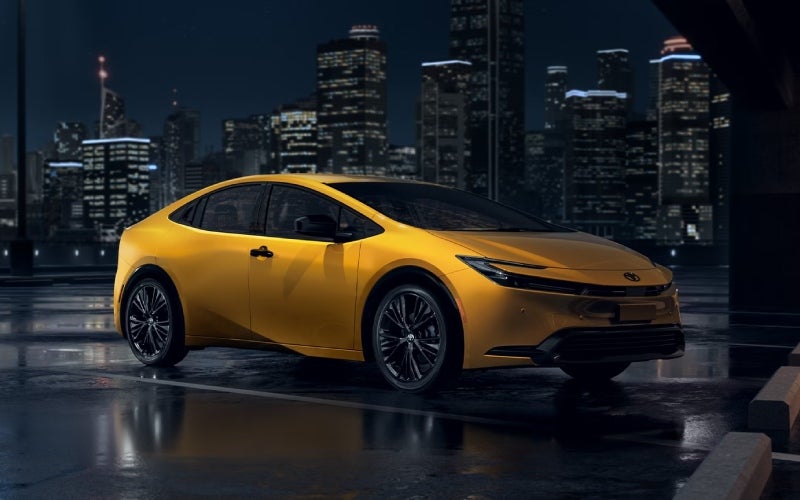
Does the 2027 Toyota Prius need to be plugged in for Hope Mills, NC commutes?

Peterson Toyota - Does the 2027 Toyota Prius need to be plugged in for Hope Mills, NC commutes? The 2027 Toyota Prius makes hybrid driving easy for Hope Mills, NC commuters because the standard Prius is a Hybrid EV, not a plug-in vehicle. That means it uses a gas engine and battery-powered electric motor support while refueling like a traditional Toyota. For shoppers who want electrified performance without planning around charging stations or home charging equipment, the Prius offers a refreshingly simple ownership experience. This distinction matters during everyday driving around Hope Mills, Fayetteville, Lumberton, and nearby communities. A typical routine might include a morning drive toward Fort Liberty or Fayetteville, errands along local retail corridors, school drop-offs, and a highway trip on I-95 or I-295. With the standard 2027 Prius, drivers can enjoy Toyota hybrid engineering without changing the way fuel stops work. The hybrid battery works automatically with the 2.0L 4-Cylinder Hybrid engine, and the vehicle manages the balance between gas and electric power in the background. How the 2027 Prius Hybrid EV System Works The 2027 Prius uses Toyota’s fifth-generation Toyota Hybrid System. This system pairs a 2.0L 4-Cylinder Hybrid engine with electric motor assistance to help deliver smooth power, strong efficiency, and responsive acceleration. Front-Wheel Drive models produce 194 net combined horsepower, while available All-Wheel Drive models produce 196 net combined horsepower. Toyota also notes 0-60 mph performance of 7.2 seconds with Front-Wheel Drive and 7.0 seconds with All-Wheel Drive, which gives the Prius a confident feel for merging and passing. Because the standard Prius is a Hybrid EV, the vehicle does not need to be plugged into an external power source. The hybrid battery is managed by the vehicle through normal driving. Energy can be recaptured during braking and deceleration, and the gas engine works with the electric motor to provide the right balance of power and efficiency. For many shoppers, this is the ideal middle ground between conventional gasoline driving and more advanced electrified performance. Why This Matters for Hope Mills, NC Drivers Hope Mills drivers often need one vehicle to handle several different kinds of trips. Local roads can involve stop-and-go traffic, while routes toward Fayetteville or Lumberton may include faster highway stretches. The Prius is designed to feel comfortable in both settings. Its hybrid system is smooth around town, and its responsive power helps it feel confident when traffic moves quickly. The no-plug setup also supports apartment residents, renters, homeowners without garage charging access, and busy drivers who prefer a familiar refueling routine. Instead of thinking about outlet access or charging schedules, the standard Prius lets owners drive, refuel, and continue with the day. That simplicity is a major reason Prius remains appealing to shoppers who want to reduce fuel use and emissions without adding extra steps to daily life. Prius vs. Prius Plug-in Hybrid Toyota also offers a Prius Plug-in Hybrid, which is a different model. A Plug-in Hybrid Electric Vehicle uses a larger battery pack and can drive farther on electric power alone when charged. Once that charge is depleted, it operates like a regular hybrid. The standard 2027 Prius, by contrast, is designed for drivers who want hybrid benefits without plugging in. Understanding the difference helps shoppers choose the right vehicle. If home charging is convenient and electric-only driving is a priority, the Prius Plug-in Hybrid may be worth researching. If simplicity, easy refueling, and proven Toyota hybrid operation are the main goals, the standard Prius is likely the more natural fit. Both represent Toyota’s broader electrified lineup, but each supports a different ownership style. Key Prius Benefits for Daily Driving Beyond the no-plug hybrid system, the 2027 Prius offers a long list of features that make daily driving more enjoyable. Toyota designed this generation with a sleek profile, a low center of gravity, and a more dynamic feel than many shoppers may expect from a hybrid. It is efficient, but it is also stylish and responsive. Easy hybrid ownership: The standard Prius does not require external charging, making it simple for drivers with busy schedules. Strong hybrid output: Available All-Wheel Drive models deliver 196 net combined horsepower for confident daily performance. Useful drive modes: EV Mode can run solely on battery power at low speeds for short distances, while ECO Mode, Power Mode, and Normal Mode help tailor the drive. Modern cabin technology: Available Toyota Audio Multimedia features include an 8.0-in. display on LE and an available 12.3-in. Toyota Audio Multimedia touchscreen display on Limited. Helpful safety support: Toyota Safety Sense™ 3.0 and features such as Blind Spot Monitor (BSM) with Rear Cross-Traffic Alert (RCTA) support driver awareness. Those benefits make the Prius especially appealing as a commuter car. It feels compact enough for easy parking, refined enough for longer drives, and advanced enough to satisfy shoppers who care about technology. Select trims add comfort and style upgrades such as SofTex®-trimmed front seats, an 8-way power-adjustable driver's seat, Qi-compatible wireless charging, a fixed glass roof, 19-in. alloy wheels, and JBL® Premium Audio. Which 2027 Prius Trim Fits a No-Plug Hybrid Shopper? The Prius lineup gives shoppers several ways to prioritize features. LE is a strong starting point with core hybrid benefits, Blind Spot Monitor (BSM) with Rear Cross-Traffic Alert (RCTA), a top-mount Multi-Information Display with indicators and 7-in. LCD display, and an 8.0-in. Toyota Audio Multimedia display. This trim is ideal for shoppers focused on essential technology and hybrid value. XLE adds comfort and convenience with 19-in. alloy wheels, Qi-compatible wireless charging with charge indicator light, and SofTex®-trimmed front seats with an 8-way power-adjustable driver's seat. Nightshade adds a bold appearance with 19-in. alloy wheels with black finish and black with gray stitching SofTex®-trimmed front seats. Limited adds premium details such as a fixed glass roof, a 12.3-in. Toyota Audio Multimedia touchscreen display, and 8-speaker JBL® Premium Audio including amplifier. For commuters who spend significant time in the vehicle, those upgrades can make daily drives feel more comfortable and connected. What to Ask During a Prius Test Drive A test drive is the best way to confirm whether the 2027 Prius fits your routine. Since the standard Prius does not require charging, focus on how the hybrid system feels in real driving situations. Pay attention to the smoothness of acceleration, brake feel, visibility, seating comfort, and how naturally the technology works while driving. Ask about Hybrid EV operation: Confirm how the standard Prius manages gas and electric power without being plugged in. Compare drive modes: Try Normal Mode, ECO Mode, Power Mode, and EV Mode where appropriate. Evaluate drivetrain options: Decide whether Front-Wheel Drive is enough or available All-Wheel Drive better matches your routine. Review safety technology: Ask how Toyota Safety Sense™ 3.0 supports everyday driving. Explore cabin features: Compare the Toyota Audio Multimedia display sizes, available wireless charging, and seating materials. Taking a structured approach helps online research become an informed decision. The Prius is easy to appreciate when driven in the same conditions you encounter every week, from local Hope Mills roads to faster commutes toward Fayetteville and beyond. Frequently Asked Questions: Does the 2027 Toyota Prius require a home charger? No. The standard 2027 Toyota Prius is a Hybrid EV and does not require a home charger. It refuels with gasoline while the hybrid system manages electric motor support automatically. Is the Prius Plug-in Hybrid the same as the standard Prius? No. The Prius Plug-in Hybrid is a separate model with a larger battery pack that can be charged externally. The standard Prius is designed for hybrid driving without plug-in charging. Can the 2027 Prius run on battery power only? EV Mode can run solely on battery power at low speeds for short distances when conditions allow. The vehicle automatically manages power delivery to support efficiency and performance. Is the 2027 Prius good for commuting from Hope Mills to Fayetteville? Yes. Its no-plug hybrid system, responsive acceleration, available All-Wheel Drive, compact size, and advanced safety technology make it a strong fit for commuting and everyday errands. The 2027 Toyota Prius is a practical answer for drivers who want electrified benefits without adding charging logistics. For Hope Mills shoppers, that can make daily driving feel simpler, smarter, and more flexible. With strong hybrid output, available All-Wheel Drive, Toyota Safety Sense™ 3.0, and a thoughtfully designed cabin, the Prius continues to be a standout choice for modern commuting. Request more 2027 Toyota Prius information