

tracking pixel
Blog / Toyota Sienna

Does the 2026 Toyota Sienna have enough space for Hope Mills, NC family driving?

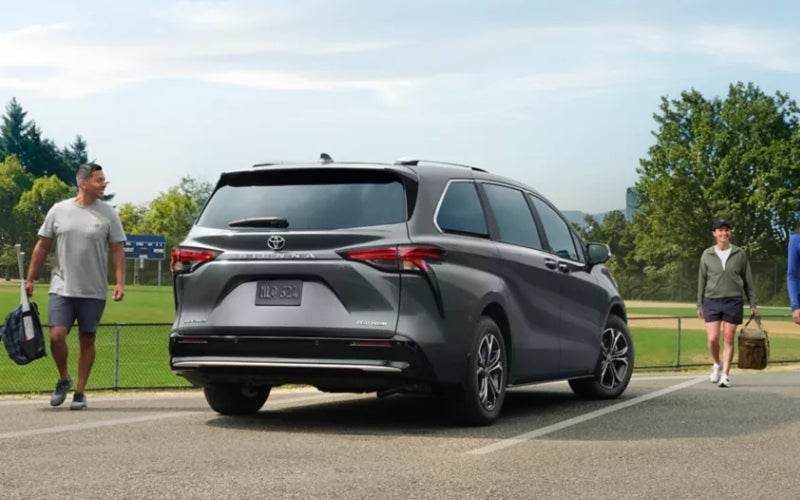
2026toyotasienna-exterior-03
Does the 2026 Toyota Sienna have enough space for Hope Mills, NC family driving?

Peterson Toyota - Does the 2026 Toyota Sienna have enough space for Hope Mills, NC family driving?

The 2026 Toyota Sienna gives Hope Mills, NC families a thoughtful mix of passenger room, cargo flexibility, hybrid efficiency, and everyday convenience, which makes it a compelling choice for drivers who need a vehicle that can keep up with busy routines.

For many households around Hope Mills, a family vehicle has to handle more than a simple commute. It may need to support school drop-offs, grocery runs, youth sports, weekend drives toward Fayetteville, trips down I-95, and regular travel between nearby communities. That is where the Sienna’s minivan layout makes a noticeable difference. Instead of forcing passengers to climb into a tight third row or shuffle cargo around awkwardly, Sienna gives families wide door openings, flexible seating, and smart storage solutions that make everyday movement easier.

Why Sienna space feels different from many SUVs

Three-row SUVs are popular, but a minivan like the 2026 Toyota Sienna can be easier to live with when passengers and cargo change daily. Sliding side doors help in parking lots, especially when loading children, bags, or gear. The cabin is designed with real passenger movement in mind, so entering and exiting can feel less complicated. Toyota describes the Sienna as having a spacious, flexible design that makes room for whoever and whatever the day brings, and that idea shows up in the way the interior functions.

The 60/40 One-Motion-Stow Split & Stow 3rd Row® Seats are especially useful. If your day calls for maximum seating, the third row is ready. If the schedule changes and more cargo room is needed, the third row can fold down quickly. Because the seat is split, one side can remain open for a passenger while the other side creates additional cargo space. That flexibility is valuable for families who may carry backpacks in the morning, sports equipment in the afternoon, and groceries or luggage later in the day.

  • Passenger flexibility: The three-row cabin helps support larger households, carpooling, and visiting family.
  • Cargo versatility: Split & Stow 3rd Row® Seats allow the rear area to adapt quickly.
  • Easy access: Sliding doors simplify loading in tight parking spaces.
  • Cabin convenience: Seven USB ports help keep devices powered across all three rows.
  • Family clean-up support: The available Vacuum can help manage small messes during active weeks.

Those advantages matter during real family driving. A vehicle can look spacious on paper, but the true test is how easily it handles people and items at the same time. Sienna is designed for that exact challenge.

Hybrid efficiency without giving up capability

The 2026 Sienna is a Hybrid EV, and its hybrid system produces a net combined 245 horsepower. For families, that means the Sienna is not simply focused on saving fuel; it is also built to move confidently with passengers on board. The hybrid system helps deliver smooth response for city streets, highway merging, and longer regional drives. Select Sienna configurations can achieve an EPA-estimated rating of up to 36 city/36 highway MPG, which is impressive for a vehicle with three rows and generous interior space.

Hope Mills drivers who regularly travel between home, work, school, and Fayetteville area destinations may appreciate how this efficiency supports daily use. Fewer fuel stops can make the weekly routine feel less interrupted. At the same time, Sienna keeps the utility that families need, including available AWD for extra traction confidence. Available AWD is a strong consideration for shoppers who want added support on wet roads, gravel driveways, rural routes, or heavily traveled local streets.

Comfort and convenience for every row

Space is important, but comfort matters just as much. Sienna’s interior is designed with elevated details that help make routine drives more pleasant. Depending on grade, shoppers can find SofTex®-trimmed seats, leather-trimmed seats, sport-inspired seating, a power tilt/slide moonroof with sunshade, and premium technology such as a 12.3-in. multimedia touchscreen display. Limited models offer a 12-speaker JBL® Premium Audio system including subwoofer and amplifier, while Platinum adds premium features such as a 10-in. color Head-Up Display.

Families with passengers in every row will also appreciate the seven USB ports placed throughout the cabin. That detail supports phones, tablets, headphones, and other devices without making every passenger compete for the same charging spot. For longer drives, available FridgeBoxâ„¢ can help keep drinks and snacks chilled. The available Vacuum can help keep the cabin tidy after snacks, practices, park visits, and daily errands. These are not flashy features for their own sake. These are practical solutions for a vehicle that often becomes a mobile family command center.

  1. Try the second row: Sit where children, teens, or adult passengers will sit most often.
  2. Test the third row: Make sure the space feels comfortable for your expected passengers.
  3. Fold the rear seats: Practice changing from passenger mode to cargo mode.
  4. Check device access: Locate USB ports and confirm charging access in each row.
  5. Review storage needs: Bring a stroller, sports bag, or luggage if those items are part of daily life.

A test drive should include more than a quick loop around the block. For a family vehicle, the cabin walkthrough may be the most important part of the visit. Open the doors, fold the seats, test the liftgate, adjust the driver position, and picture a regular weekday. Sienna is at its best when shoppers evaluate how its layout fits the actual routine.

Safety and visibility for family confidence

The 2026 Toyota Sienna includes Toyota Safety Senseâ„¢ 2.0, a suite of active safety technologies designed to support driver awareness. Available Blind Spot Monitor (BSM) with Rear Cross-Traffic Alert (RCTA) can also help with lane changes and backing out of parking spaces. In a family minivan, this type of support matters because the vehicle is often used in busy school zones, shopping centers, neighborhood streets, and crowded parking lots.

The available Panoramic View Monitor is another feature worth considering. It uses four cameras to help check surroundings, and when parked with the Moving View setting, it can create a virtual view from above. For drivers who want additional confidence maneuvering a larger vehicle, this feature can be a major benefit. It is especially useful when parking near curbs, backing into spaces, or navigating tighter areas.

Which Sienna grade makes sense?

The 2026 Sienna lineup includes LE, XLE, XSE, Limited, Woodland Edition, and Platinum. LE focuses on core practicality, including dual power sliding doors, remote keyless entry with Push Button Start, and Blind Spot Monitor (BSM) with Rear Cross-Traffic Alert (RCTA). XLE adds comfort features such as a power tilt/slide moonroof with sunshade, hands-free dual power sliding side doors, and SofTex®-trimmed seats. XSE brings a sportier feel with available 20-in. dark wheels, sport-tuned suspension, and SofTex®-trimmed sport seats.

Limited and Platinum appeal to shoppers who want more premium comfort and technology. Woodland Edition is ideal for families who like the idea of AWD with increased ground clearance, 1500W-capable power outlets, and a tow hitch with 3500-lb. towing capability. The best grade depends on your passenger needs, technology expectations, and how often cargo, towing, or added traction support will be part of the drive.

Frequently Asked Questions:

Is the 2026 Toyota Sienna practical for a family around Hope Mills, NC?

Yes. The Sienna is highly practical for Hope Mills family driving because it combines three-row seating, easy cabin access, hybrid efficiency, and adaptable cargo space. The sliding doors and Split & Stow 3rd Row® Seats are especially helpful for daily family routines.

Does the 2026 Sienna offer enough cargo room for sports gear or luggage?

Yes. The 60/40 One-Motion-Stow Split & Stow 3rd Row® Seats allow the rear cargo area to be adjusted depending on the day. You can keep seating available, expand cargo space, or use a combination of both.

Should I consider available AWD on the 2026 Sienna?

Available AWD is worth considering if you want added traction support for changing road surfaces, busy travel routes, or added peace of mind. Woodland Edition includes AWD with increased ground clearance for a more capability-focused setup.

Where can I learn more about the 2026 Toyota Sienna?

Peterson Toyota can help shoppers compare Sienna grades, review available features, value a trade, start financing steps, and schedule a test drive. A hands-on visit is the best way to see how the cabin, technology, and seating flexibility fit your household.

The 2026 Toyota Sienna is a strong choice for Hope Mills, NC families because it makes daily life easier without sacrificing modern comfort or efficiency. It offers the space people expect from a minivan, but it also adds hybrid performance, available AWD, useful driver-assist technology, and features that solve real family challenges. For shoppers deciding between a three-row SUV and a minivan, the Sienna deserves serious consideration because its layout is built around people, cargo, and everyday convenience.
Request more 2026 Toyota Sienna information

Posted in:

Recommended Posts

2026toyotarav4-exterior-02

Does the 2026 Toyota RAV4 Hybrid Need to Be Plugged In Around Maxton, NC?

Peterson Toyota - Does the 2026 Toyota RAV4 Hybrid Need to Be Plugged In Around Maxton, NC? The 2026 Toyota RAV4 Hybrid is designed for drivers who want the benefits of electrified performance without needing to add charging stops to daily life. For many shoppers around Maxton, NC, that distinction matters. A hybrid SUV can support better efficiency and smooth response while still using a gas engine, so the vehicle manages battery charging as you drive. That makes the RAV4 Hybrid a practical choice for commuting toward Lumberton, running errands along local routes, visiting family across Robeson County, or making longer drives throughout southeastern North Carolina. Toyota also offers an available PHEV Powertrain in the 2026 RAV4 lineup, and that is where some confusion can begin. The standard Hybrid EV setup and the available Plug-in Hybrid Electric Vehicle setup are both electrified, but the ownership experience is different. A Hybrid Electric Vehicle uses a combination of a gas engine and electric motor or motors to maximize power and efficiency. A Plug-in Hybrid Electric Vehicle combines a gas engine with a larger battery powered by an external charge to maximize efficiency and driving range. In simple terms, the RAV4 Hybrid does not need to be plugged in, while the RAV4 Plug-in Hybrid Electric Vehicle is designed to take advantage of charging. How the 2026 Toyota RAV4 Hybrid Works The 2026 RAV4 Hybrid is engineered to manage the relationship between the gas engine and electric motor or motors automatically. You do not need to decide when to use electric assist, and you do not need to plug the vehicle into a charger after a drive. The hybrid system works in the background to support efficient operation, responsive acceleration, and a confident driving feel. That is especially useful for shoppers who want an SUV that feels familiar but more advanced than a traditional gas-only vehicle. This setup fits many Maxton-area routines because the vehicle does not require a home charging station or a change in parking habits. If your driveway, apartment community, or workplace does not offer charging, the RAV4 Hybrid still makes sense. You fuel it like a conventional vehicle, drive it like a conventional vehicle, and let Toyota’s hybrid engineering handle the rest. The result is an SUV that can feel easy to own from the first week. Hybrid EV vs. Plug-in Hybrid Electric Vehicle Understanding the difference between Hybrid EV and Plug-in Hybrid Electric Vehicle options can help shoppers choose the right 2026 RAV4. Toyota’s Hybrid EV technology is ideal for drivers who want electrified efficiency without plugging in. The available PHEV Powertrain is attractive for drivers who have convenient access to charging and want to maximize electric driving opportunities. Neither option is “better” for everyone. The best choice depends on your parking setup, daily mileage, charging access, and personal driving preferences. Hybrid EV: Does not need to be plugged in and automatically uses the gas engine and electric motor or motors to support power and efficiency. Plug-in Hybrid Electric Vehicle: Uses a larger battery that can be charged externally, giving drivers more opportunity to use electric driving capability. Best daily fit: Hybrid EV works well for drivers without regular charging access, while a Plug-in Hybrid Electric Vehicle can be appealing for shoppers with home or workplace charging. Driving experience: Both powertrain types are designed to deliver the versatility, confidence, and everyday usability expected from a RAV4. For shoppers comparing these options, the most important question is not just whether charging is available. It is whether charging fits naturally into your life. If plugging in would feel like an extra task or if convenient charging is limited, the RAV4 Hybrid keeps things simple. If charging is easy and you want to take fuller advantage of the available PHEV Powertrain, the plug-in option may be worth exploring. Why This Matters for Maxton, NC Driving Drivers around Maxton often cover a mix of road types, from local streets and rural routes to highway travel toward nearby communities. That mix is exactly where a versatile hybrid SUV can feel useful. The 2026 RAV4 Hybrid offers the maneuverability of a compact SUV, the elevated driving position many shoppers prefer, and the practicality needed for daily errands, school schedules, work commutes, and weekend travel. Because it does not require external charging, it can fit easily into routines that involve multiple stops or shared family use. The RAV4 lineup also offers practical specs and design details that matter beyond the powertrain. Toyota lists up to 37.8 cu. ft. of cargo capacity, giving drivers useful space for groceries, luggage, gear, and everyday supplies. Available AWD supports added confidence when road conditions vary, while FWD is available for efficiency-focused drivers. Toyota also highlights towing capability of up to 3500 lbs. depending on configuration, which adds another layer of utility for shoppers who want a compact SUV that can do more than commute. Technology and Safety Support in the 2026 RAV4 The hybrid powertrain may be a key reason shoppers consider the 2026 RAV4, but the technology inside the SUV is equally important. Every 2026 RAV4 includes a standard customizable 12.3-in. digital gauge cluster that keeps important information directly in view. This display is designed to feel like a natural extension of the multimedia experience, which helps the cabin feel modern and easy to use. The available 12.9-in. Toyota Audio Multimedia touchscreen adds another level of convenience, placing entertainment, directions, and controls front and center with crisp visuals and seamless voice commands. Available wireless Apple CarPlay® and Android Auto™ compatibility help keep familiar smartphone features accessible, while available features such as Advanced Park and Traffic Jam Assist bring additional convenience on properly equipped models. Toyota Safety Sense™ 4.0 (TSS 4.0) also plays a major role by supporting driver awareness and confidence with Toyota’s most advanced safety suite yet. Who Should Choose the RAV4 Hybrid? The RAV4 Hybrid is a strong fit for shoppers who want efficiency, flexibility, and low-drama ownership. If you do not want to install charging equipment, search for public chargers, or remember to plug in after a long day, the Hybrid EV setup is likely the more natural choice. It gives you electrified benefits while preserving the familiar refueling routine drivers already know. Choose Hybrid EV if: You want electrified performance without plugging in or changing your daily routine. Choose Hybrid EV if: You park outside, rent your home, or do not have reliable access to a charger. Consider the PHEV Powertrain if: You have convenient charging and want to maximize electric driving opportunities. Compare both if: You are unsure how your commute, charging access, and driving habits line up with each option. For many shoppers, the RAV4 Hybrid strikes the most convenient balance. It delivers a modern electrified driving experience while keeping ownership straightforward. It is also part of Toyota’s broader Hybrid Family and supports Toyota’s Beyond Zero vision, which focuses on reducing carbon emissions through products, services, and operations while giving customers more powertrain choices. Frequently Asked Questions: Does the 2026 Toyota RAV4 Hybrid need a home charger? No. The 2026 Toyota RAV4 Hybrid does not need a home charger because its Hybrid EV system uses a gas engine and electric motor or motors and manages battery charging as you drive. A home charger is only relevant if you are considering the available Plug-in Hybrid Electric Vehicle version. Is the RAV4 Plug-in Hybrid Electric Vehicle different from the RAV4 Hybrid? Yes. The RAV4 Hybrid does not require plugging in, while the available Plug-in Hybrid Electric Vehicle uses a larger battery powered by an external charge. Both are electrified, but the plug-in version is designed for drivers who can regularly charge and want to maximize electric driving capability. Which 2026 RAV4 is easier to own around Maxton, NC? For many drivers, the RAV4 Hybrid is easier because it does not require charging access. It can be fueled like a conventional vehicle while still offering the benefits of Toyota hybrid engineering. Drivers with reliable charging at home or work may also want to compare the available PHEV Powertrain. Can the 2026 RAV4 Hybrid still offer strong SUV practicality? Yes. The 2026 RAV4 lineup offers practical cargo space, available AWD, modern technology, and useful capability. Toyota lists up to 37.8 cu. ft. of cargo capacity and towing capability of up to 3500 lbs. depending on configuration, making it a versatile choice for everyday life. If you are deciding between the 2026 Toyota RAV4 Hybrid and the available Plug-in Hybrid Electric Vehicle, start with your daily routine. If charging is not convenient or you prefer a simpler ownership experience, the RAV4 Hybrid is designed to fit naturally. If charging is easy and you want the added benefits of a larger externally charged battery, the plug-in option deserves a closer look. Either way, the 2026 RAV4 lineup gives Maxton-area shoppers a smart mix of efficiency, capability, technology, and Toyota reliability. Request more 2026 Toyota RAV4 information

2027toyotaprius-exterior-01

Does the 2027 Toyota Prius need to be plugged in for Hope Mills, NC commutes?

Peterson Toyota - Does the 2027 Toyota Prius need to be plugged in for Hope Mills, NC commutes? The 2027 Toyota Prius makes hybrid driving easy for Hope Mills, NC commuters because the standard Prius is a Hybrid EV, not a plug-in vehicle. That means it uses a gas engine and battery-powered electric motor support while refueling like a traditional Toyota. For shoppers who want electrified performance without planning around charging stations or home charging equipment, the Prius offers a refreshingly simple ownership experience. This distinction matters during everyday driving around Hope Mills, Fayetteville, Lumberton, and nearby communities. A typical routine might include a morning drive toward Fort Liberty or Fayetteville, errands along local retail corridors, school drop-offs, and a highway trip on I-95 or I-295. With the standard 2027 Prius, drivers can enjoy Toyota hybrid engineering without changing the way fuel stops work. The hybrid battery works automatically with the 2.0L 4-Cylinder Hybrid engine, and the vehicle manages the balance between gas and electric power in the background. How the 2027 Prius Hybrid EV System Works The 2027 Prius uses Toyota’s fifth-generation Toyota Hybrid System. This system pairs a 2.0L 4-Cylinder Hybrid engine with electric motor assistance to help deliver smooth power, strong efficiency, and responsive acceleration. Front-Wheel Drive models produce 194 net combined horsepower, while available All-Wheel Drive models produce 196 net combined horsepower. Toyota also notes 0-60 mph performance of 7.2 seconds with Front-Wheel Drive and 7.0 seconds with All-Wheel Drive, which gives the Prius a confident feel for merging and passing. Because the standard Prius is a Hybrid EV, the vehicle does not need to be plugged into an external power source. The hybrid battery is managed by the vehicle through normal driving. Energy can be recaptured during braking and deceleration, and the gas engine works with the electric motor to provide the right balance of power and efficiency. For many shoppers, this is the ideal middle ground between conventional gasoline driving and more advanced electrified performance. Why This Matters for Hope Mills, NC Drivers Hope Mills drivers often need one vehicle to handle several different kinds of trips. Local roads can involve stop-and-go traffic, while routes toward Fayetteville or Lumberton may include faster highway stretches. The Prius is designed to feel comfortable in both settings. Its hybrid system is smooth around town, and its responsive power helps it feel confident when traffic moves quickly. The no-plug setup also supports apartment residents, renters, homeowners without garage charging access, and busy drivers who prefer a familiar refueling routine. Instead of thinking about outlet access or charging schedules, the standard Prius lets owners drive, refuel, and continue with the day. That simplicity is a major reason Prius remains appealing to shoppers who want to reduce fuel use and emissions without adding extra steps to daily life. Prius vs. Prius Plug-in Hybrid Toyota also offers a Prius Plug-in Hybrid, which is a different model. A Plug-in Hybrid Electric Vehicle uses a larger battery pack and can drive farther on electric power alone when charged. Once that charge is depleted, it operates like a regular hybrid. The standard 2027 Prius, by contrast, is designed for drivers who want hybrid benefits without plugging in. Understanding the difference helps shoppers choose the right vehicle. If home charging is convenient and electric-only driving is a priority, the Prius Plug-in Hybrid may be worth researching. If simplicity, easy refueling, and proven Toyota hybrid operation are the main goals, the standard Prius is likely the more natural fit. Both represent Toyota’s broader electrified lineup, but each supports a different ownership style. Key Prius Benefits for Daily Driving Beyond the no-plug hybrid system, the 2027 Prius offers a long list of features that make daily driving more enjoyable. Toyota designed this generation with a sleek profile, a low center of gravity, and a more dynamic feel than many shoppers may expect from a hybrid. It is efficient, but it is also stylish and responsive. Easy hybrid ownership: The standard Prius does not require external charging, making it simple for drivers with busy schedules. Strong hybrid output: Available All-Wheel Drive models deliver 196 net combined horsepower for confident daily performance. Useful drive modes: EV Mode can run solely on battery power at low speeds for short distances, while ECO Mode, Power Mode, and Normal Mode help tailor the drive. Modern cabin technology: Available Toyota Audio Multimedia features include an 8.0-in. display on LE and an available 12.3-in. Toyota Audio Multimedia touchscreen display on Limited. Helpful safety support: Toyota Safety Sense™ 3.0 and features such as Blind Spot Monitor (BSM) with Rear Cross-Traffic Alert (RCTA) support driver awareness. Those benefits make the Prius especially appealing as a commuter car. It feels compact enough for easy parking, refined enough for longer drives, and advanced enough to satisfy shoppers who care about technology. Select trims add comfort and style upgrades such as SofTex®-trimmed front seats, an 8-way power-adjustable driver's seat, Qi-compatible wireless charging, a fixed glass roof, 19-in. alloy wheels, and JBL® Premium Audio. Which 2027 Prius Trim Fits a No-Plug Hybrid Shopper? The Prius lineup gives shoppers several ways to prioritize features. LE is a strong starting point with core hybrid benefits, Blind Spot Monitor (BSM) with Rear Cross-Traffic Alert (RCTA), a top-mount Multi-Information Display with indicators and 7-in. LCD display, and an 8.0-in. Toyota Audio Multimedia display. This trim is ideal for shoppers focused on essential technology and hybrid value. XLE adds comfort and convenience with 19-in. alloy wheels, Qi-compatible wireless charging with charge indicator light, and SofTex®-trimmed front seats with an 8-way power-adjustable driver's seat. Nightshade adds a bold appearance with 19-in. alloy wheels with black finish and black with gray stitching SofTex®-trimmed front seats. Limited adds premium details such as a fixed glass roof, a 12.3-in. Toyota Audio Multimedia touchscreen display, and 8-speaker JBL® Premium Audio including amplifier. For commuters who spend significant time in the vehicle, those upgrades can make daily drives feel more comfortable and connected. What to Ask During a Prius Test Drive A test drive is the best way to confirm whether the 2027 Prius fits your routine. Since the standard Prius does not require charging, focus on how the hybrid system feels in real driving situations. Pay attention to the smoothness of acceleration, brake feel, visibility, seating comfort, and how naturally the technology works while driving. Ask about Hybrid EV operation: Confirm how the standard Prius manages gas and electric power without being plugged in. Compare drive modes: Try Normal Mode, ECO Mode, Power Mode, and EV Mode where appropriate. Evaluate drivetrain options: Decide whether Front-Wheel Drive is enough or available All-Wheel Drive better matches your routine. Review safety technology: Ask how Toyota Safety Sense™ 3.0 supports everyday driving. Explore cabin features: Compare the Toyota Audio Multimedia display sizes, available wireless charging, and seating materials. Taking a structured approach helps online research become an informed decision. The Prius is easy to appreciate when driven in the same conditions you encounter every week, from local Hope Mills roads to faster commutes toward Fayetteville and beyond. Frequently Asked Questions: Does the 2027 Toyota Prius require a home charger? No. The standard 2027 Toyota Prius is a Hybrid EV and does not require a home charger. It refuels with gasoline while the hybrid system manages electric motor support automatically. Is the Prius Plug-in Hybrid the same as the standard Prius? No. The Prius Plug-in Hybrid is a separate model with a larger battery pack that can be charged externally. The standard Prius is designed for hybrid driving without plug-in charging. Can the 2027 Prius run on battery power only? EV Mode can run solely on battery power at low speeds for short distances when conditions allow. The vehicle automatically manages power delivery to support efficiency and performance. Is the 2027 Prius good for commuting from Hope Mills to Fayetteville? Yes. Its no-plug hybrid system, responsive acceleration, available All-Wheel Drive, compact size, and advanced safety technology make it a strong fit for commuting and everyday errands. The 2027 Toyota Prius is a practical answer for drivers who want electrified benefits without adding charging logistics. For Hope Mills shoppers, that can make daily driving feel simpler, smarter, and more flexible. With strong hybrid output, available All-Wheel Drive, Toyota Safety Sense™ 3.0, and a thoughtfully designed cabin, the Prius continues to be a standout choice for modern commuting. Request more 2027 Toyota Prius information

2027toyotacorollahybrid-exterior-01

Does the 2027 Toyota Corolla Hybrid Need to Be Plugged In Around Hope Mills, NC?

Peterson Toyota - Does the 2027 Toyota Corolla Hybrid Need to Be Plugged In Around Hope Mills, NC? Drivers comparing electrified vehicles around Hope Mills, NC often want efficiency without adding extra steps to an already busy routine. The 2027 Toyota Corolla Hybrid fits that mindset because it is a Hybrid Electric Vehicle, not a plug-in hybrid or full battery electric vehicle. That means it combines a gasoline engine with electric motor assistance and is driven much like a traditional gas-powered sedan. Fill it with gasoline, drive normally, and let the hybrid system manage the relationship between the engine, electric motor, and lithium-ion battery pack. This difference matters for shoppers who want the benefits of hybrid engineering without planning around charging equipment. Whether the day includes commuting toward Fort Liberty, driving through Hope Mills Road traffic, running errands near local shopping centers, or heading toward Lumberton for work or service, the Corolla Hybrid keeps operation familiar. Toyota’s system is designed to maximize power and efficiency through a combination of gas and electric energy, while the vehicle handles battery charging through normal driving behavior. How the Corolla Hybrid System Works The 2027 Corolla Hybrid uses a 1.8-liter, 4-cylinder engine paired with electric motor support for a net combined 138 horsepower. Toyota pairs the system with an Electronically controlled Continuously Variable Transmission, which helps the sedan deliver smooth acceleration and efficient power delivery. The hybrid battery pack is lithium-ion, and the system works automatically in the background while the driver focuses on the road. In simple terms, the Corolla Hybrid can use electric motor assistance at certain times, gasoline power at other times, or a blend of both depending on conditions. The driver does not need to manually switch between power sources. There is no charging door to open, no home charger to install, and no need to locate a public charging station before heading out. For many in-market shoppers, that simplicity is the biggest reason a traditional hybrid sedan is so appealing. Why No Plug-In Charging Can Be a Daily Advantage A plug-in vehicle can be a great fit for some drivers, but not every household has easy access to charging. Apartment residents, townhome owners, renters, and drivers with shared parking may not want to depend on a charging setup. The 2027 Corolla Hybrid removes that concern because it operates on gasoline and charges its hybrid battery through normal vehicle operation. That makes the Corolla Hybrid especially practical for drivers whose schedules vary. A morning commute, an unexpected appointment, a school pickup, or a late grocery stop does not require checking the battery charge level in the same way a plug-in vehicle might. The Corolla Hybrid was engineered for convenient hybrid driving, and that convenience can make ownership feel more natural from the first week. No home charger needed: The Corolla Hybrid does not require plug-in charging equipment. Traditional refueling: Drivers refuel with gasoline at regular fuel stations. Automatic hybrid operation: The gas engine and electric motor work together without constant driver input. Familiar ownership routine: Daily operation feels close to a traditional sedan with added hybrid efficiency benefits. Useful for varied schedules: Drivers can leave home without planning around charge time. Those advantages are especially meaningful for shoppers moving into a hybrid for the first time. The learning curve is minimal, yet the engineering underneath the vehicle is sophisticated. Toyota has built the Corolla Hybrid to feel approachable, and that can reduce hesitation for buyers who like the idea of an electrified vehicle but prefer a simple transition. What Hope Mills, NC Drivers Should Compare When shopping for the 2027 Corolla Hybrid, it helps to compare trim levels and available equipment rather than focusing only on the hybrid system. The lineup includes Hybrid LE, Hybrid SE, Hybrid XLE, and a 60th Anniversary grade. Hybrid LE is a strong choice for practical daily driving, while Hybrid SE adds sport-inspired touches such as sport seats with sport fabric inserts, Normal, Sport and Eco driving modes, and 18-in. alloy wheels with graphite-colored finish. Hybrid XLE adds comfort-focused upgrades such as SofTex®-trimmed heated front seats, a power tilt/slide moonroof with sliding sunshade, and a 12.3-in. Digital Gauge Cluster. Available AWD is another important consideration. Toyota offers available AWD on Hybrid LE and Hybrid SE, giving shoppers an option for added traction confidence. Around Hope Mills, that may appeal to drivers who regularly travel a mix of city streets, rural roads, and highways. The Corolla Hybrid remains compact and easy to park, yet available AWD adds another layer of driving confidence for certain owners. Technology Adds to the Easy-Ownership Feel The no-plug-in advantage is only part of the Corolla Hybrid’s appeal. Toyota also equips the 2027 Corolla Hybrid with technology that supports daily convenience. Wireless Apple CarPlay® and Android Auto™ compatibility help drivers access compatible navigation, messaging, and audio features without a cluttered cabin. Depending on grade, shoppers can choose or enjoy a 10.5-in. Toyota Audio Multimedia touchscreen, and the available 12.3-in. Digital Gauge Cluster gives key vehicle information a clean, modern presentation. Connected Services further support ownership. Service Connect can provide personalized maintenance updates and vehicle health reports, while available Remote Connect functions may allow owners to interact with the vehicle through the Toyota app. Drive Connect capability can include Cloud Navigation with Google Points of Interest (POI) data, Intelligent Assistant with “Hey, Toyota”, and Destination Assist, depending on grade and subscription status. For shoppers who want a sedan that feels current without feeling complicated, this technology package is a major plus. Safety Matters on Every Drive Toyota Safety Sense™ 3.0 is standard on every 2027 Corolla Hybrid. The suite includes Pre-Collision System with Pedestrian Detection, Lane Departure Alert with Steering Assist, Automatic High Beams, Full-Speed Range Dynamic Radar Cruise Control, Proactive Driving Assist, Road Sign Assist, and Lane Tracing Assist. These features are designed to help support driver awareness and assist in certain conditions, whether cruising on a highway or navigating routine local traffic. Blind Spot Monitor with Rear Cross-Traffic Alert is also standard across Corolla Hybrid grades, which adds value for everyday lane changes and backing out of parking spaces. The vehicle also includes ten airbags, an integrated backup camera with projected path, Hill Start Assist Control, Tire Pressure Monitor System, and LATCH child-seat anchors. A hybrid sedan should not only be efficient; it should also help drivers feel supported and informed. Frequently Asked Questions: Does the 2027 Toyota Corolla Hybrid need a charging station? No. The Corolla Hybrid does not need a charging station. It is a Hybrid Electric Vehicle that uses gasoline and electric motor assistance, with the hybrid system managing battery charging during normal operation. Is the Corolla Hybrid the same as a plug-in hybrid? No. A plug-in hybrid is designed to be charged from an external power source. The Corolla Hybrid is not plugged in. It is refueled with gasoline and operated like a traditional vehicle. Can I still get modern technology without choosing a plug-in vehicle? Yes. The 2027 Corolla Hybrid offers wireless Apple CarPlay® and Android Auto™ compatibility, available 10.5-in. Toyota Audio Multimedia touchscreen, available 12.3-in. Digital Gauge Cluster, and connected service capability depending on grade. Is available AWD worth considering? Available AWD may be worth considering for drivers who want added traction confidence while keeping the efficiency and easy operation of a compact hybrid sedan. Toyota offers available AWD on Hybrid LE and Hybrid SE. For Hope Mills, NC shoppers, the 2027 Toyota Corolla Hybrid makes hybrid driving feel simple. It delivers the familiar refueling habits of a gasoline sedan, the efficiency-minded engineering of a Toyota hybrid, and the safety and technology expected in a modern daily driver. Drivers can focus on choosing the right trim, preferred features, and comfort level rather than worrying about plug-in logistics. The best next step is to compare the Corolla Hybrid grades in person and take a thoughtful test drive. Pay attention to acceleration smoothness, cabin comfort, visibility, smartphone integration, and the way the hybrid system behaves in traffic. For many shoppers, the realization comes quickly: the Corolla Hybrid offers an easy path into electrified driving without changing the way the day is planned. Request more 2027 Toyota Corolla Hybrid information